The winter season has hit Japan, which means…it’s time to bring out all the heating products! Japanese homes and buildings get rather cold (no central heating here). But that doesn’t mean the Japanese are freezing! No, the Japanese definitely know how to stay cozy.
Japan is a country of innovation, and strangely enough, heating products is one industry Japan has decided to capitalize on. There’s plenty of new (and old) heating technology to choose from in Japan.
We asked our resident samugariya (cold-sensitive freeze baby), Tani-chan, to introduce a few different products so you can learn how to stay cozy and warm—the Japanese way.
Table of Contents
“HEATTECH”
One of the first things Japanese people turn to when the temperature drops is HEATTECH. (I’m wearing it as I type this post.)
Now used almost universally to refer to any warm undergarments and layers, HEATTECH is actually a line of thermal clothing created and distributed by Japan’s famous Uniqlo retailer. Using advanced fiber technology, the HEATTECH line uses a blend of rayon, acrylic, polyester, and polyurethane to absorb moisture and convert those water droplets into heat. We’re not really sure how that works, but there’s no doubting Japanese technology.
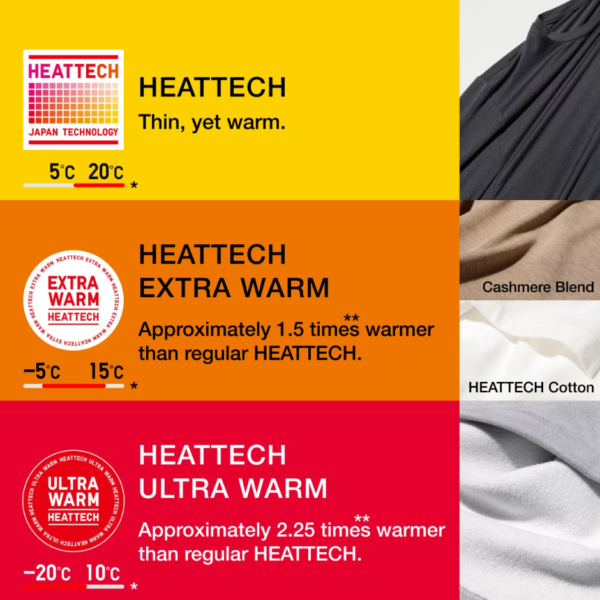
(Photo: Uniqlo UK)
Originally, Uniqlo offered primarily 1-2 thicknesses (the thicker the material, the warmer), with long sleeve shirts, turtlenecks, and leggings being the main items in their line. But now, Uniqlo offers 3 levels of warmth (regular, Extra Warm, and Ultra Warm), and have greatly expanded their collection of products, including:
- Long sleeve shirts (scoop neck, crew neck)
- Turtlenecks
- T-shirts
- Tank tops/Camisoles
- Under leggings
- Shorts
- Belly bands
- Sweatpants
- Jeggings
- Socks/Tights
- Scarves/Neck gaiters
- Gloves
- Hats
- Blankets
So if you ever wondered how Japanese people stay so stylish, even in the winter, it’s all thanks to these thin underlayers. No bulky knit sweaters and coats here! (Unless you want to wear them. 😉)
Shop Uniqlo’s HEATTECH collection here.
Kairo (Plus Accessories!)
Hand warmers are something every Japanese person has on hand in the winter. Called kairo (懐炉) in Japanese, it’s not uncommon to stock up on these disposable heat generators once winter hits. They’re fast. They’re simple. And they’re relatively cheap. Just open the package, give it a shake, and boom! Portable heat.
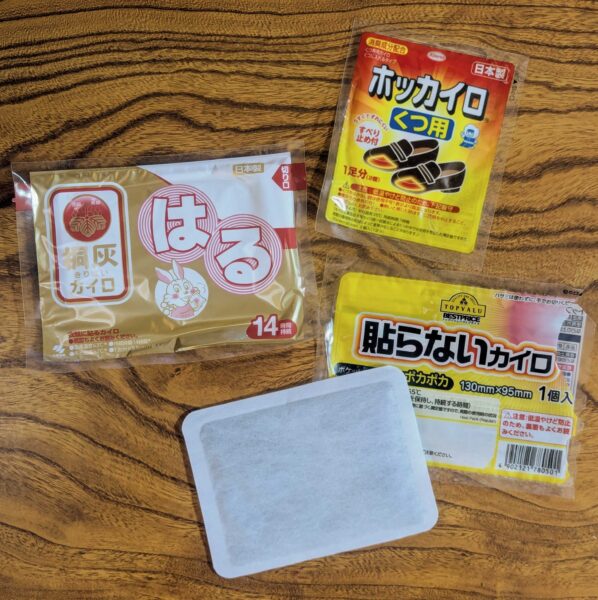
You can get these babies in a larger size to hold with two hands, or go for the mini size if you’d like to keep them in your coat or pants pockets. The disposable kind also have an adhesive type, so you can stick it to your back to keep your core warm and cozy. They even have ones to put in your shoes to keep your toes warm! (Because not all of us wear proper winter shoes, y’know?) You can mix and match according to your needs.
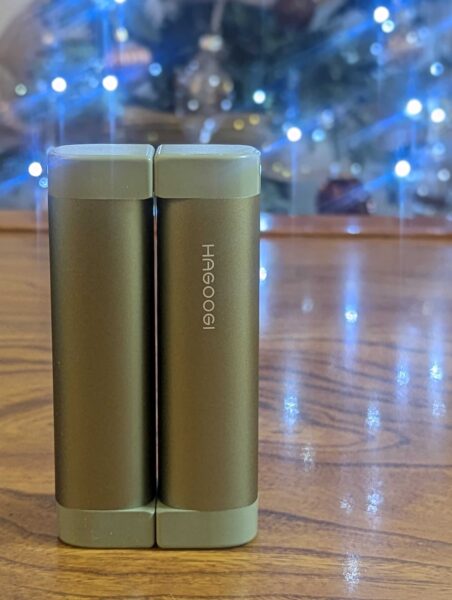
Japan is all about innovation though, right? It’s no different for these kairo. In the past few years, rechargeable kairo have become increasingly more common. While a bit more expensive upfront, they’re a great alternative if you’re looking to cut back on waste. Plus, a lot of them come in some really cute colors and styles! They generally come in two types: a single, larger unit, or two smaller bricks that can join together with magnets.
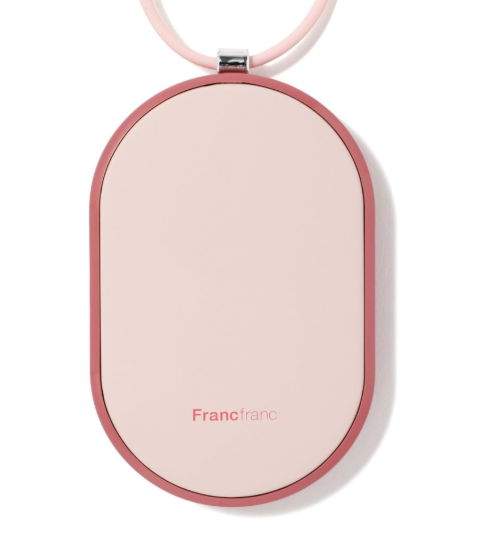
🛒 Find on Amazon!
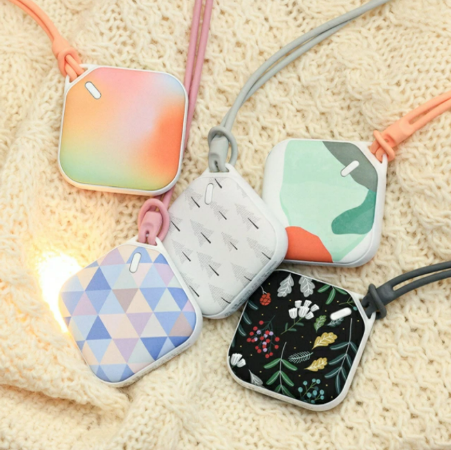
🛒 Find on Rakuten!
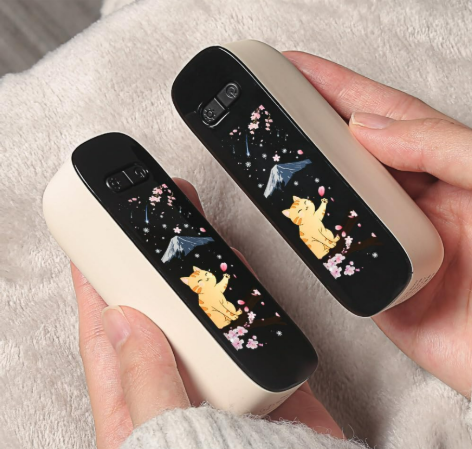
On sale now for 2,830 JPY! (Reg. 5,980 JPY)
🛒 Find on Amazon!
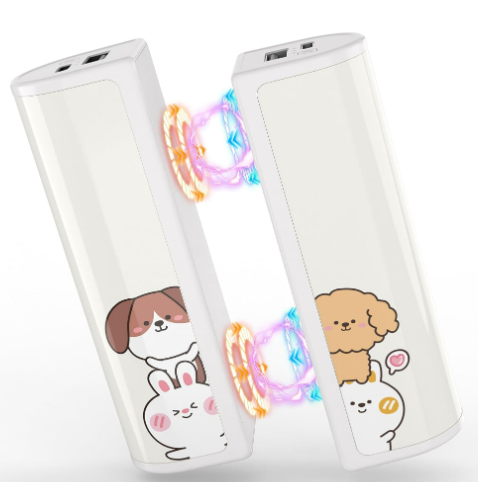
SUKITEN Rechargeable Hand Warmer; 2,080 JPY
🛒 Find on Amazon!
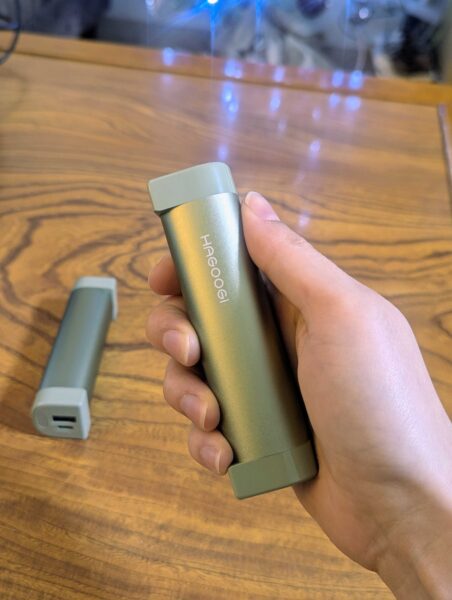
I just recently got my first rechargeable kairo, and I LOVE it! 💚 It warms up within seconds, the color is perfect, and each block can double as a portable charger for my phone. A worthy investment for my always-cold self.
🛒 Find on Amazon!
If you’re not quite ready for a rechargeable kairo, but still want something cute, then there are also cute covers you can put over your disposable hand warmers! From minimalist styles to little plush toy-esque covers, there’s something for everyone’s taste.
🛒 Check out more kairo covers here.
**Shipping Note**
The rechargeable hand warmers containlithium ion batteries, which may be restricted by certain shipping methods.
Before purchasing anything with lithium batteries, please check with DEJAPAN’s Customer Service team to see which shipping methods are available for your country.
Hot Water Bottles (Yutanpo)
Hot water bottles may be mostly out of use in the United States and elsewhere, but Japan is still going strong! Called yutanpo in Japanese, they’re still a great way to warm up your sheets before bedtime, or even to warm up your body while chilling on the couch.
Many people might imagine the traditional, hard shell hot water bottles (and why were they always orange??). But Japan has leveled up their yutanpo, just as they do with most things.
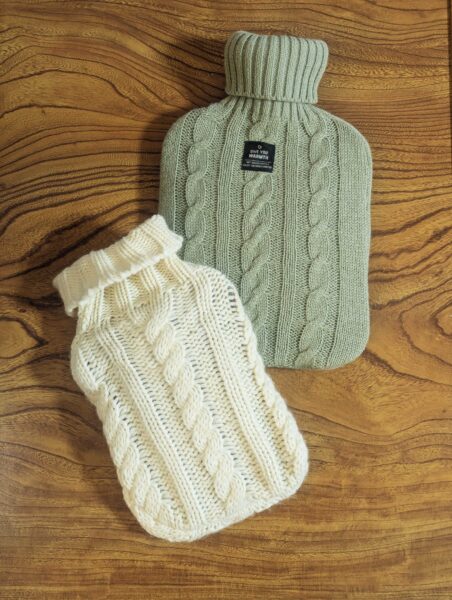
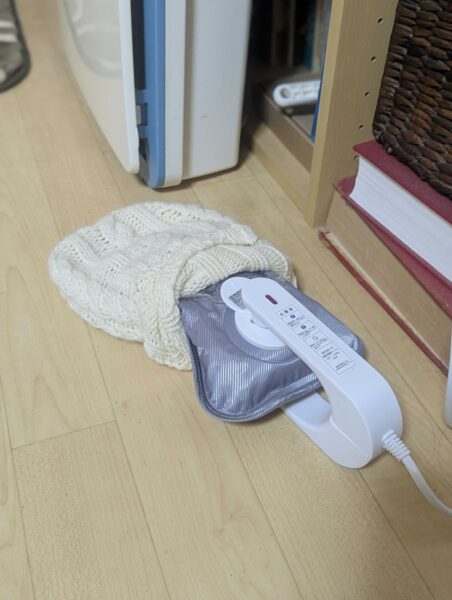
From flexible silicone bottles, to rechargeable electric ones, the hot water bottles nowadays have kept the heat, but improved the cuddle factor. With squishy water filled pouches and furry covers, it’s like hugging a warm teddy bear. In fact, you can even get ones shaped like a dog or cat to make it feel like you have a pet sleeping on you. Now that’s what we call an upgrade! 🐱
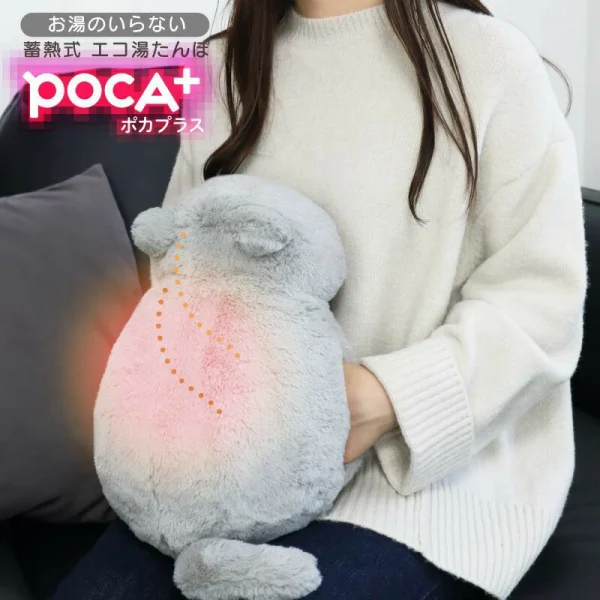
1,760 JPY〜5,720 JPY
Find on Rakuten!
**Safety Warning**
As comfortable as these flexible and fuzzy hot water bottles are, there are few safety precautions to keep in mind.
- DO NOT sleep with them. It’s possible for the bottles to burst while you’re sleeping.
- For non-electric types, fill the bottles only ⅔ full with hot water (NOT BOILING). Filling it completely will create too much pressure, which may cause the bottle to crack or burst.
- If the bottle cracks due to wear and tear, stop using it. At that point, it’s safer to replace it with a new one.
🛒 You can shop for Japanese hot water bottles here.
Hot Carpet
Hot carpets literally changed my life after I moved to Japan. While rather uncommon in the West, hot carpets and heated flooring are EVERYWHERE in Japan. And honestly, I understand the hype.
If you think about it, heat rises. So if you have the bottom-most part of your room emit heat, that heat will rise to fill the rest of the space. It’s kind of genius, actually. Plus, many Japanese people still sit on the floor in their homes. With a hot carpet or heated flooring, your body has direct contact to the heat source, making for a more efficient way to stay warm.
The heat settings can also be adjusted to your preference. And here’s a neat hack: the highest setting is also hot enough to kill dust mites! If you see ダニ対策 (dani taisaku) written near the highest setting, it means that it has “measures [against] dust mites.” Plus, as an added safety feature, most hot carpets automatically shut-off after 6 hours. So if you forget to turn it off when you go to bed or leave the house, you can at least rest easy knowing that you won’t accidentally burn the house down (probably).
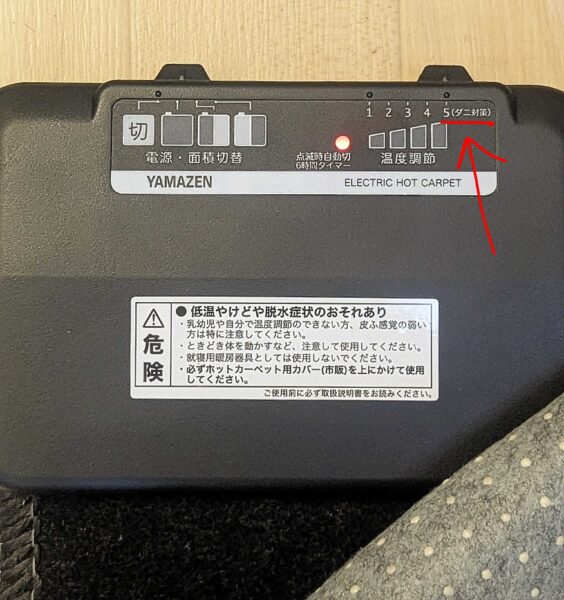
Hot carpets are a staple for anyone that has floor seating (or likes to lay on the ground). And for those that don’t sit on the floor? Then your feet will be warm and toasty, which is also a win in my book.
🛒 Shop for hot carpets here.
Kotatsu Tables
When you imagine wintertime in Japan, one of the first images that may come to mind is everyone gathered under the kotatsu. Whether it’s from anime, dramas/film, or even your own visit to Japan, it’s a well-known scene that illustrates staying warm and cozy “the Japanese way.”
And it’s for good reason! Kotatsu tables are still widely used throughout Japan, from the classic coffee table style to taller desk and dining table versions. They come in all colors, shapes, and sizes (although usually square, rectangular, or circular varieties). Plus, they can be personalized even further with all the designs and textures available for the matching futon blanket.
Though I regret to say that I don’t have a kotatsu table myself (the one in my apartment is broken 😢) , I have experienced the joy of kotatsu several times, and it’s truly a treat. It’s like a little haven of heat in a desert of cold. They’re so cozy, you’ll doze right off to sleep and never want to leave. It’s actually kind of a problem, in its own way. 😅
**Safety Warning**
While short little naps are fine, be sure not to sleep for long periods of time while under the kotatsu.
Prolonged exposure to the heating element under the table can increase the risk of low temperature burns and dehydration.
If you want the complete Japanese experience, you can’t forget the hanten coat! Since the Edo period, these padded coats were widely worn for that extra layer of warmth in the cold winter months. But these days, some like to wear hanten coats to stay warm on top, while the kotatsu keeps the bottom half warm.
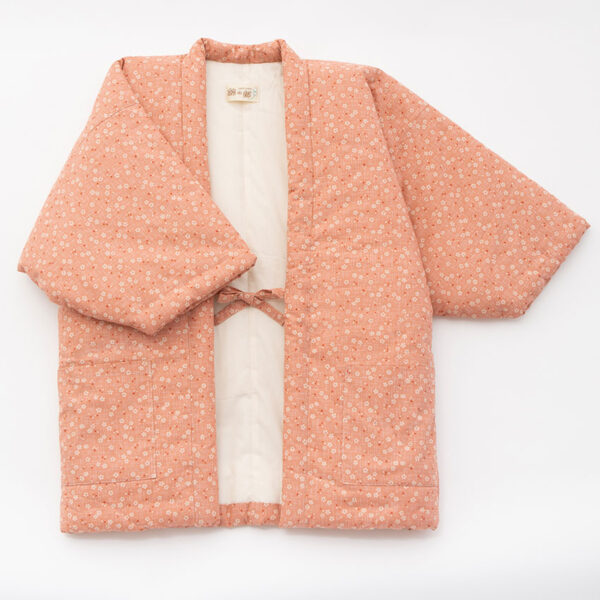
- Shop kotatsu tables
- Shop kotatsu futons/comforters
- Shop hanten coats
Which is better: hot carpet or kotatsu??
There’s a debate about which heating method is better: a hot carpet or a kotatsu? I’ve wondered about this myself.
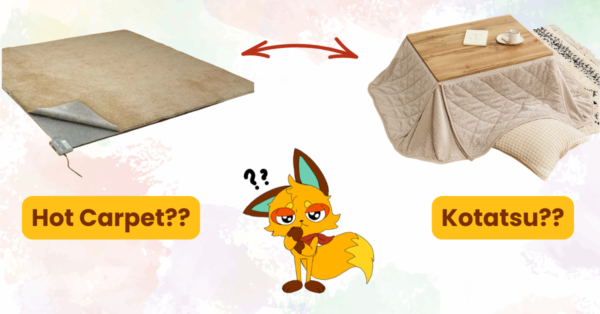
One could argue that the kotatsu is a more economical choice, as it keeps the heat concentrated in one place, therefore requiring less energy to stay warm. A hot carpet or heated flooring system, on the other hand, emits heat over a larger surface area, which could hike up your energy bill.
There is a downside for the kotatsu, though. While it is definitely warm and toasty under the table, the rest of the room is still cold, so it may be more difficult to move around and do things. The heated floor/hot carpet option may be better if you want to feel a little more heat in the room as a whole.
But then, there are those people that use both at the same time! Which sounds entirely way too hot (and expensive!) for me, but you do you!
Ultimately, it all comes down to individual preference and needs. I personally prefer a hot carpet, but that could just be because that’s what I’m used to. I know plenty of other people that would pick the kotatsu in a heartbeat.
(Although honestly speaking, if you’re looking for the most economical option, the air conditioner/heating unit in the room seems to be the biggest money saver… Just saying…🤷♀️)
Hot Foods
Finally, although it’s perhaps a bit obvious, Japanese people will often eat more hot foods and beverages in the colder months. It’s not just about warming up from the outside; you gotta warm up from the inside, too!
Of course, everyone and their mother is drinking copious amounts of hot tea in this season. But there’s also a noticeable increase in starchy and meaty dishes, like:
- Steamed pork buns called nikuman (or butaman if you’re in the Kansai region)
- Nikujaga (simmered beef and potato dish)
- Roasted sweet potatoes (yaki-imo)
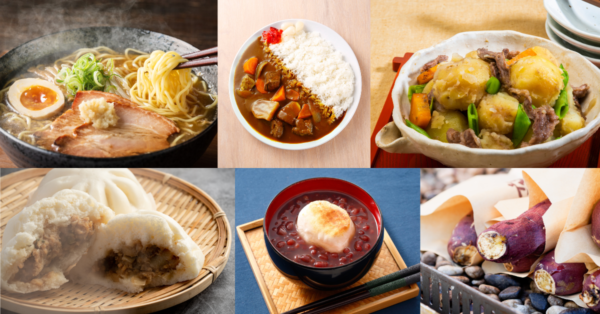
Ramen, Japanese curry rice, nikujaga, nikuman, zenzai soup with mochi, yaki-imo
Curry and hot noodle dishes are also great standbys, along with hot azuki bean soups like zenzai and o-shiruko. But what really reigns king in the winter is hotpot.
You may be thinking: wouldn’t you get tired of eating hotpot all the time? Well, the Japanese are an innovative group, and they’ve found several ways to mix it up so they don’t get tired of it.
Shabu-Shabu
With fun, interactive options like shabu-shabu, you cook your ingredients right at the table, swishing your thinly sliced meats and veggies in the broth in that classic shabu-shabu motion. There’s a variety of soup bases to choose from, and just as many dipping sauces for your meat!
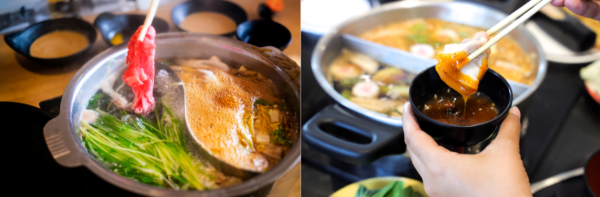
**DEJAPAN Fun Fact!**
“Shabu-shabu” is actually an onomatopoeia of the sound of swishing (think “swish-swish”), which is how you cook the ingredients in this particular hotpot.
Apparently, you also have to say “shabu-shabu” as you swish your meat and veggies in the broth.
It’s the only way to cook it. 😁
Sukiyaki and Oden
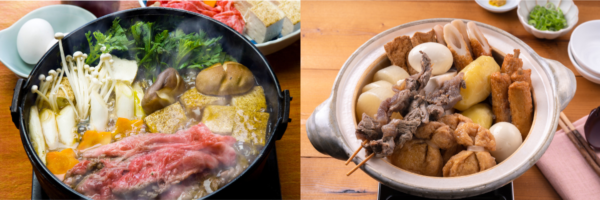
There’s also the sweet and rich sukiyaki, full of beef, tofu, leeks, and other tasty veggies in a sweet soy sauce broth. Personally, this is my favorite kind of hotpot. Then there’s savory oden, full of umami, fish cakes, boiled eggs, daikon, and other hearty root vegetables to fill you up. Make sure you have some karashi mustard or miso paste to go with it! (Read more about oden here.)
Nabe
And let’s not forget the wide category of nabe, which literally means “pot.” Throw in whatever protein and veggies you like (or whatever you have around), and boil it in whatever kind of broth you like. Make a classic dashi broth out of bonito fish flakes or konbu kelp for a clean, simple dish. (This is what I did when I started making nabe for myself.)
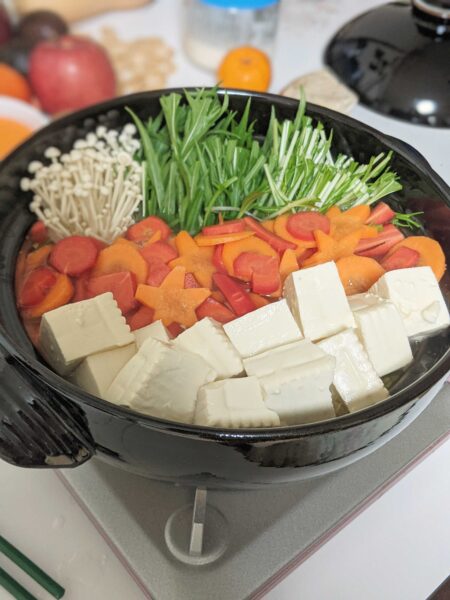
Alternatively, you can do what many Japanese people do and purchase pre-made broth and flavor packs from the grocery store in all manner of flavors:
- Sesame soy milk
- Kimchi
- Miso
- Tonkotsu (pork bone)
- Chanko-nabe (protein-rich chicken or dashi base)
- Grilled fish stock
- Soy sauce
…and more!
**DEJAPAN Travel Tip**
If you’re ever traveling around Japan in winter, be sure to try some hotpot. Many regions have their own unique variety. For example, Fukuoka is famous for their motsunabe, which—true to its name—features beef or pork motsu (tripe/offal).It’s fun to explore the local culture through food, so be sure to check out the different regional ingredients and flavors during your travels!
You may not be able to order the soup bases, since it they all contain some kind of meat product or byproduct. You’ll have to make those flavors yourself from scratch. But you can order your own clay and ceramic nabe pots! At least you can be part of the Japanese aesthetic!
🛒 Shop nabe pots here!
Conclusion
Japan has created and innovated so many ways to stay warm in the frigid winters. Who needs central heating?? From old standbys like hot water bottles and steamy, soupy dishes, to products unique to Japan like kotatsu tables and Uniqlo’s HEATTECH, it’s a paradise for all the cold-senstive people out there.
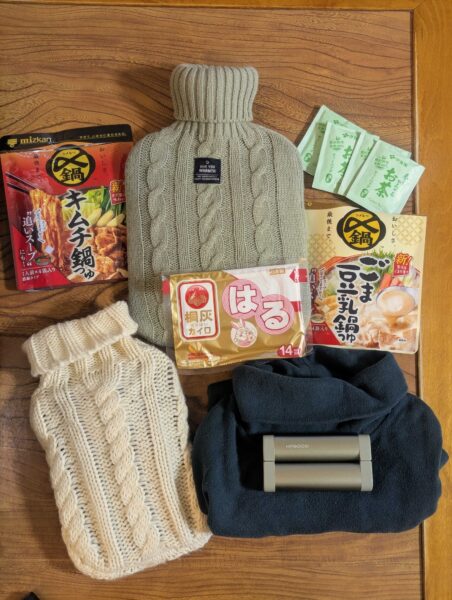
This is certainly not an exhaustive list. Japan is always making new tech and products to improve the quality of life in Japan. But you can enjoy these heating products NOW while their hot, hot, hot! 🔥 DEJAPAN can help you meet all of your Japanese heating needs! Shop for these items directly through our site, or use our Request Form to order from other sites like Amazon and Rakuten.
For any questions or feedback, feel free to contact us at contact@dejapan.com. We’re always happy to hear from you!
*All product prices are as of December 10, 2025.